Military equipment, unique monuments and wooden temples. The region below Dukla is truly exceptional
Ťažká vojenská technika priamo v prírode na miestach bojov, pamätníky krvavých bitiek a miesta, na ktorých vám nabehnú zimomriavky a pocit radosti z mieru. Návšteva regiónu pod Duklou je zážitkom. A nielen kvôli vojenskej histórii. Čarovná príroda, drevené chrámy a rusínska kultúra oslovia všetky vekové kategórie.
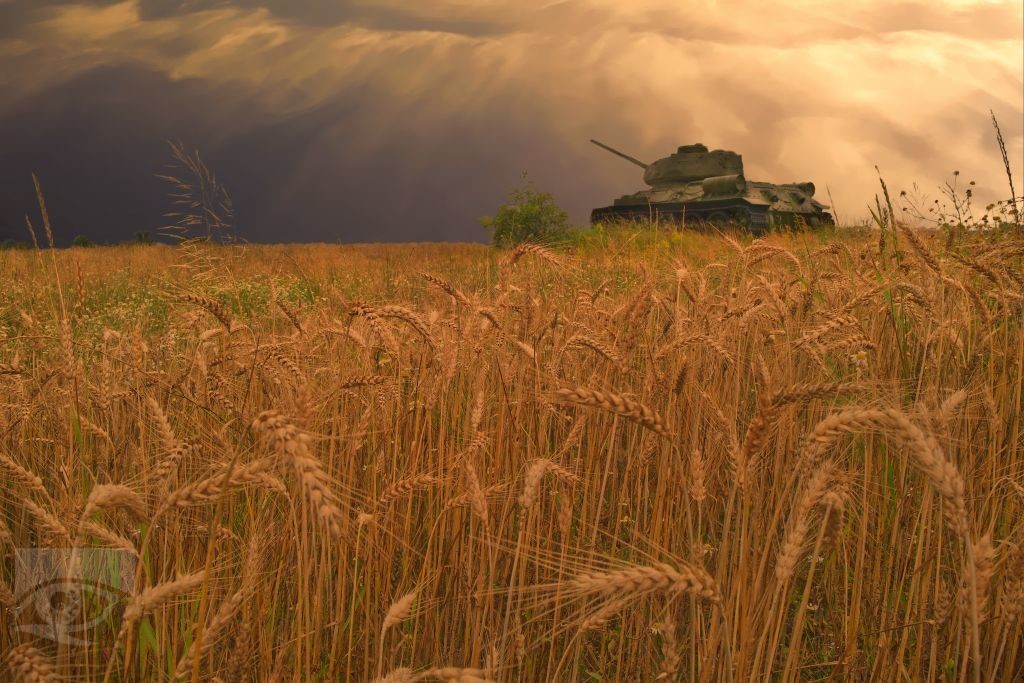
For fans of war history, the main season begins on 1 May, when the Military History Museum, Museum Department Svidník, opens the observation tower at Dukla after the winter and switches to the summer season. Visitors can thus admire the battlefield at Dukla from the observation tower, but also touch tanks and other heavy combat equipment from World War II deployed in the grounds of the Natural History Museum and around the road to Svidník.
Climbing on tanks and taking photos with combat equipment in close proximity are among the favourite ways of exploring, fascinating especially children and youngsters.
Czechoslovak Army Memorial at Dukla
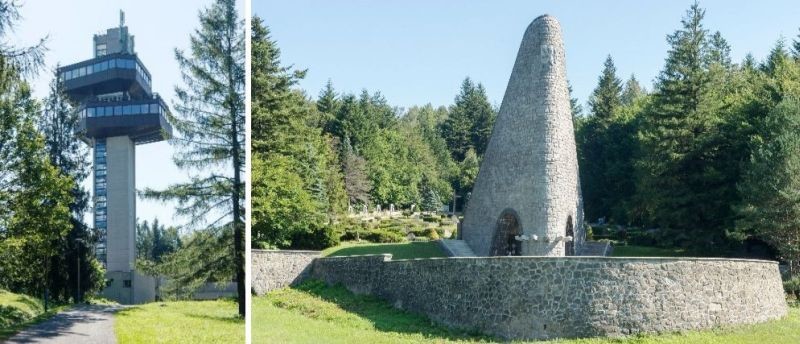
The Dukla Memorial is a national cultural monument. This natural area is one of the most visited places in the region. It is located near the border crossing to Poland - Vyšný Komárnik and is a reminder of the Carpatho-Dukla military operation that took place in the autumn of 1944. During the battles here, the over 60 thousand Soviet and Czechoslovak soldiers. The 28 m high monument was erected in 1949. It is embedded in the military cemetery, which is crossed by a colonnade with bronze plaques. The plaques bear the names of 1 265 fallen members of the 1st Čsl. Army Corps. The surroundings of the memorial and the cemetery are a large open-air military museum.

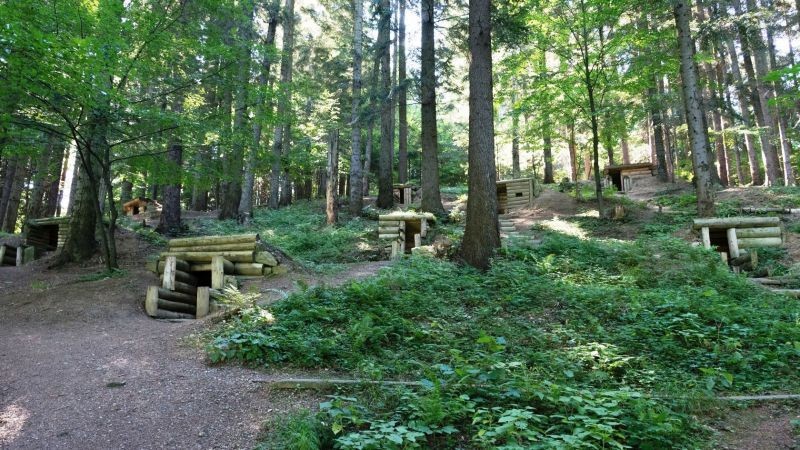
In the area of the natural museum as well as around the road to Svidník there are 55 pieces of various heavy combat equipment from World War II. In the surrounding forests you can still hide in preserved bunkers.
Observation tower at Dukla
The observation tower at Dukla is 49 m high. It is located on the spot where in October 1944 the commander of the 1st Czechoslovak Army Corps in the USSR, Brigadier General Ludvík Svoboda, had one of many command observation posts during the fighting for the Dukla Pass. V roku 2023 bola veža znovu sprístupnená po rozsiahlej rekonštrukcii. Priestory dopĺňajú interaktívne a multimediálne obrazovky, ktoré návštevníkom modernou formou približujú vojnové udalosti. Nachádza sa tu aj imitácia minefield s použitím nálezov (protipechotných a protitankových mín) pochádzajúcich priamo z bojiska pod Duklou. Z hornej kupole veže uvidíte široký priestor Duklianskeho priesmyku a okolia. Opening hours
Pozn.: Od 5. augusta 2024 až do odvolania je z dôvodu realizácie plánovaných rozsiahlejších rekonštrukčných prác uzatvorený pre verejnosť objekt Vyhliadkovej veže na Dukle.
Death Valley
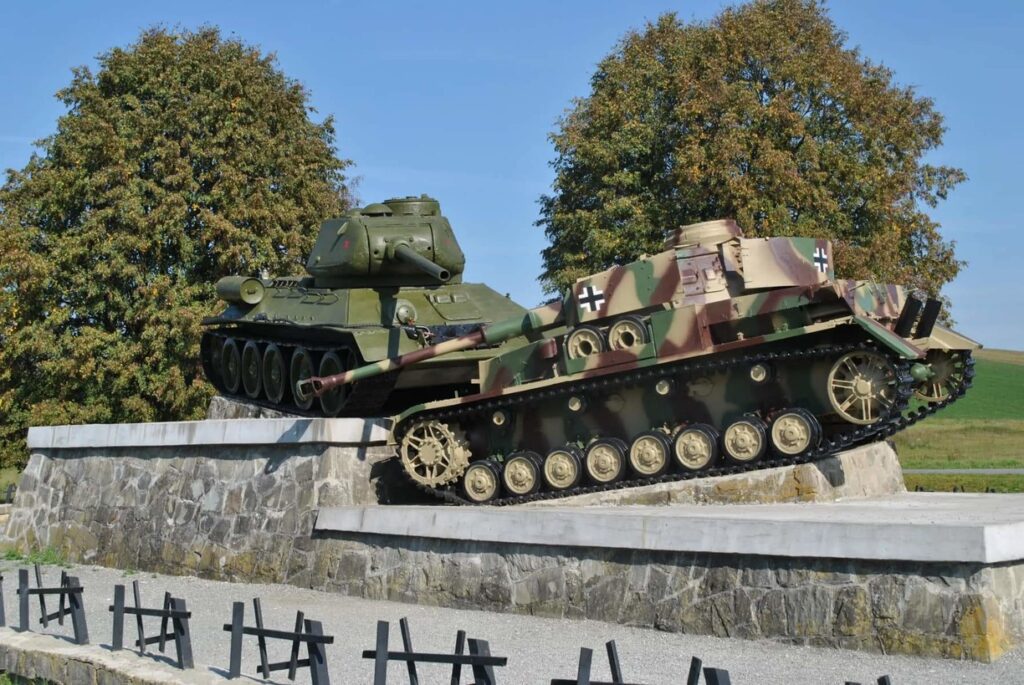
Between the villages of Kapišová, Kružlová and Nižná Písaná there is a tank deployed in the terrain showing a tank company in attack. It is symbolised by eight T-34/85 tanks. Visitors are reminded of the tank battles that took place in this area in the autumn of 1944.
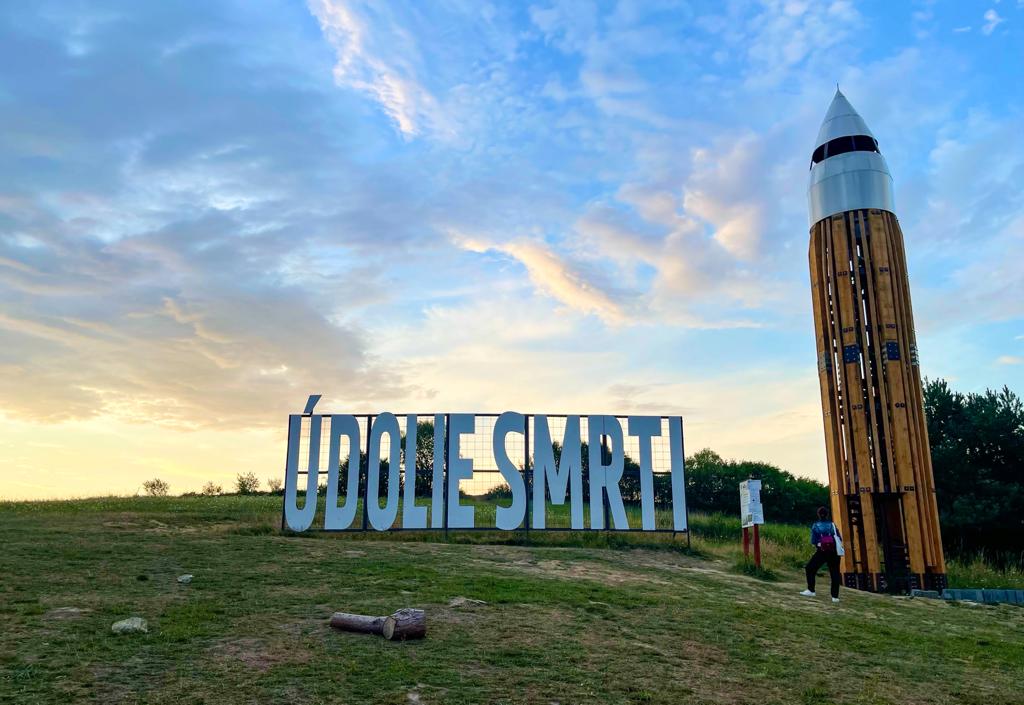
V apríli 2019 pribudol nadrozmerný nápis ÚDOLIE SMRTI. A v roku 2021 pribudla unikátna rozhľadňa z kovu a dreva, ktorá tvarom pripomína náboj do československej pušky VZ. 24. Je vysoká 13,65 metra, a má 4 poschodia.
Military Museum in Svidník
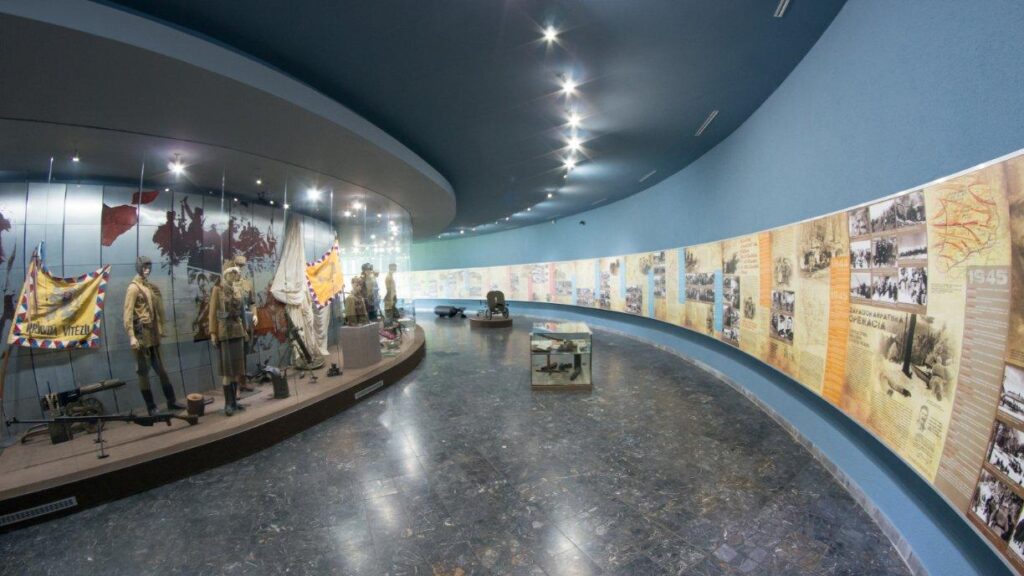
The museum is housed in a building whose shape resembles an anti-tank mine. It documents the course of heavy fighting that took place in the north-east of Slovakia during the First and Second World War. The museum contains authentic photographs from the battles, personal relics, various types of weapons and finds from the battlefields of the Dukla Pass. In the park near the museum there is externá expozícia ťažkej vojenskej techniky. In the neighbourhood of the exposition stands since 1954 Soviet Army Memorialwhere more than 9 000 soldiers killed in the autumn of 1944 are buried.
What not to miss in Svidník and its surroundings
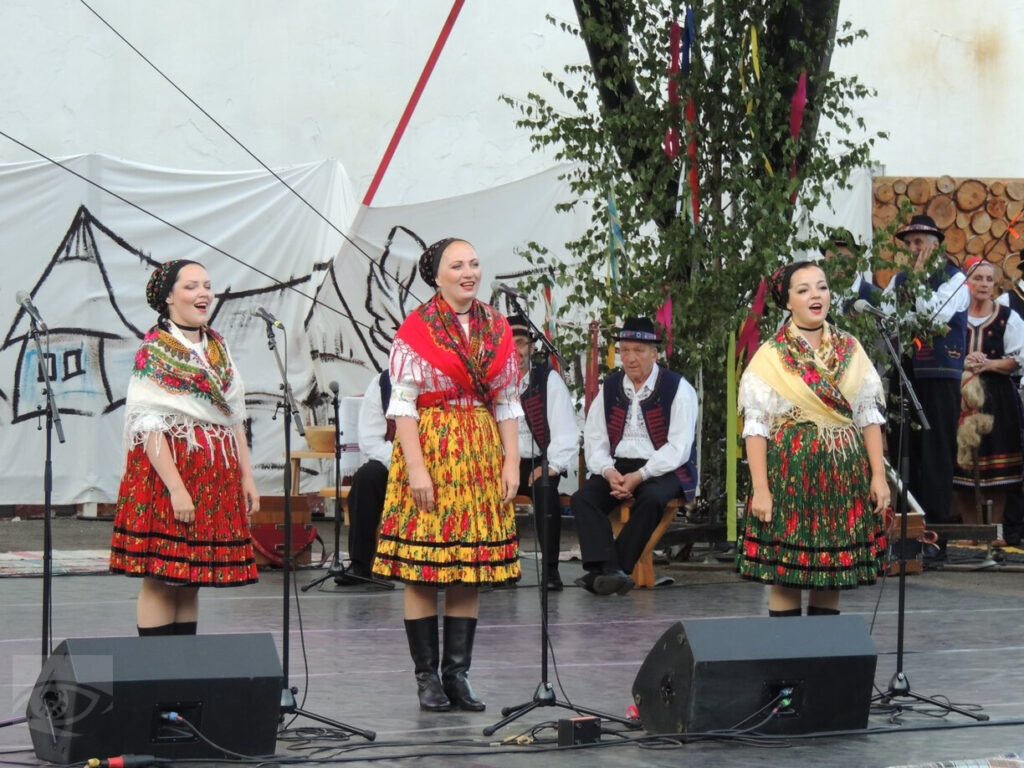
City SVIDNÍK is the centre of the Podduklian region, which is closely connected with culture and history Rusyns and Ukrainians in Slovakia. In the summer tourist season are attractive Celebration of the Culture of Rusyn-Ukrainians of Slovakia (jún) a Ruthenian Festival (máj), na ktorých si vychutnáte ľudové tradície a kultúru pôvodného etnika na severovýchode Slovenska.
The dominant feature of the centre of Svidník is the statue of the army general Ludvík Svoboda, the only one in Central Europe.
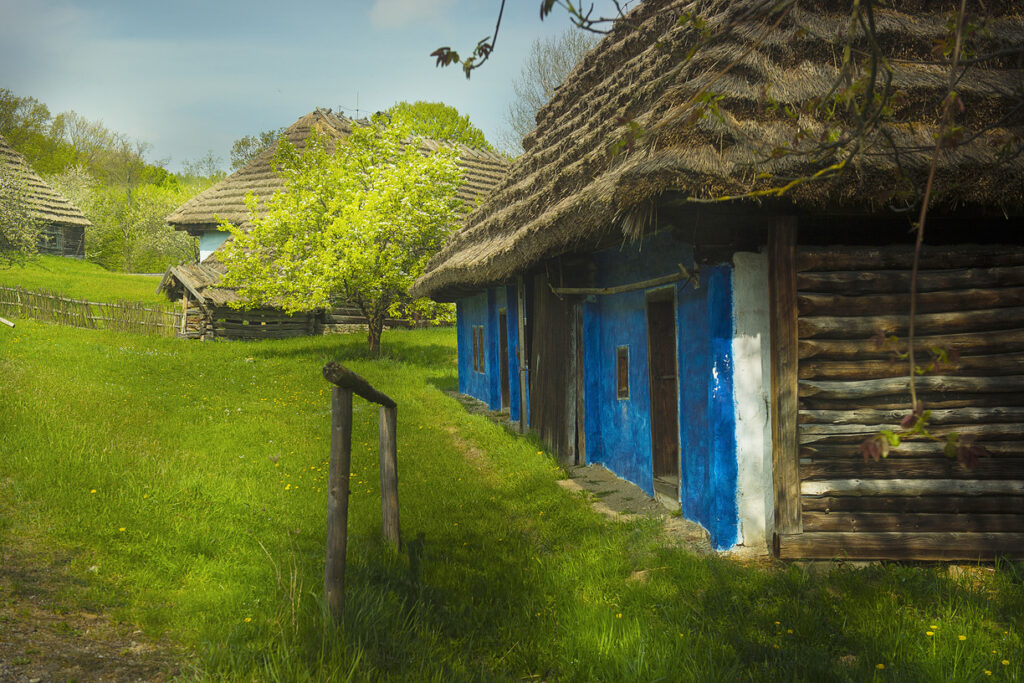
In Svidník there is also Slovak National Museum - Museum of Ukrainian Culture, unique, specialized and the oldest national museum in Slovakia. It includes a wonderful skanzen ľudovej architektúry so vzácnym dreveným chrámom.
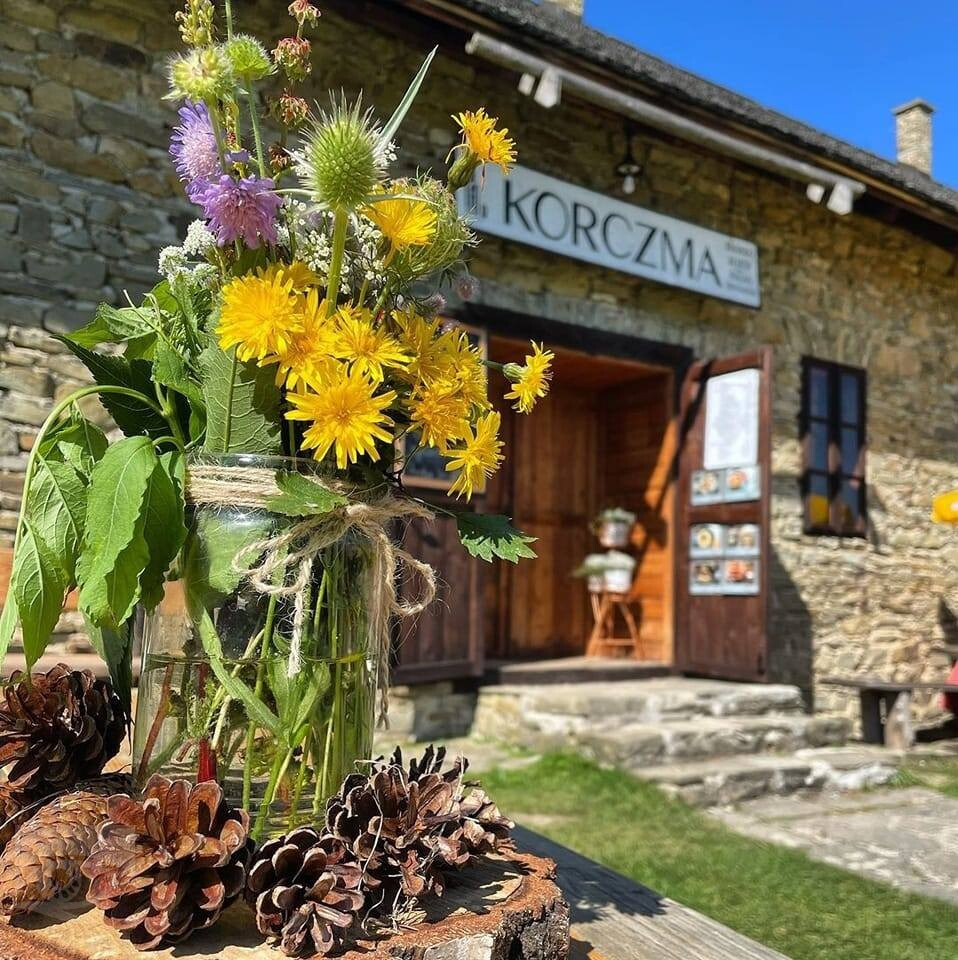
In April 2024, an original one was added to the grounds of the open-air museum Korczma at Borodate's. After the tour of the open-air museum, taste traditional "cuisine" in a new dress, coffee from a local roastery and tasty lemonades. The Museum of Ukrainian Culture also runs a Cultural and Historical Exhibition in the centre of Svindik and the Dezider Milly Gallery in the 18th century Baroque manor house.
Relax and have fun in the water in the water world Aquaruthenia with outdoor and indoor swimming pools, including a year-round wellness centre.
Wooden temples
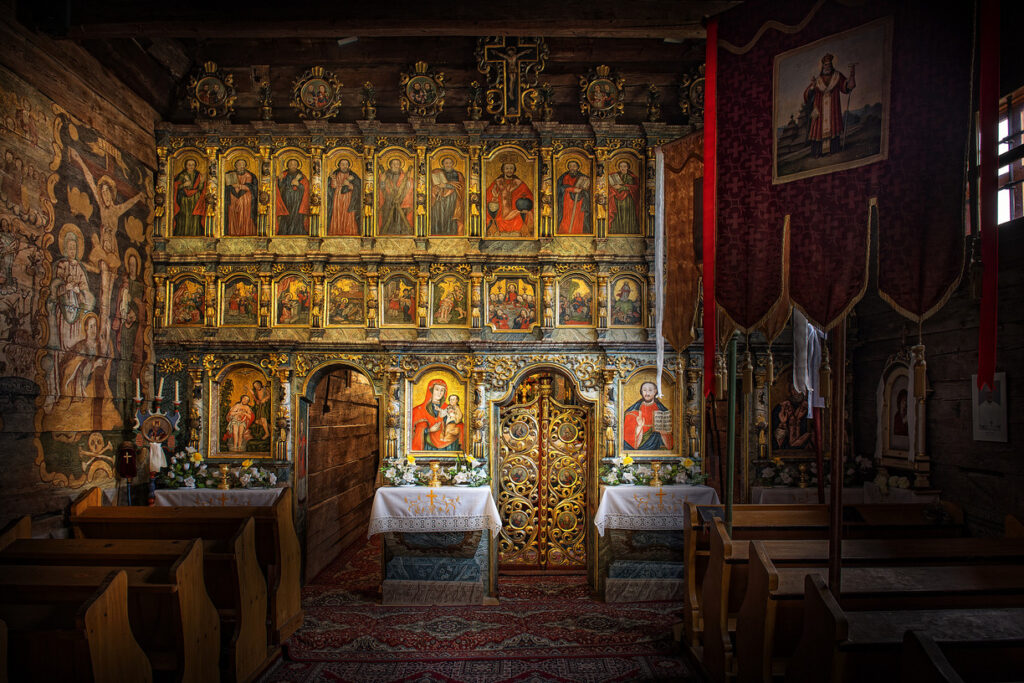
In the vicinity of Svidník there is eleven wooden temples. Wooden temples in Ladomirova and in Bodruzali are UNESCO World Heritage Sites. Ich architektúra a nádherný interiér si podmania návštevníkov. V Bodružali sú napríklad dodnes zachované stopy po granáte, ktorý chrámom prešiel cez strechu. Ďalej sú to drevené chrámy vo Vyšnom a Nižnom Komárniku, Hunkovciach, Good Morning, Korejovciach a mnoho iných.