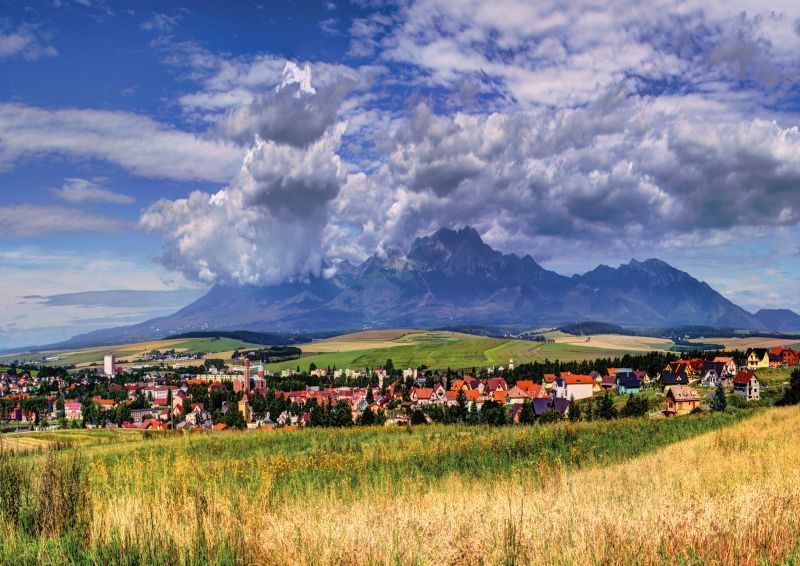
Kežmarok is located in the north of the territory in the picturesque Spiš region under the High Tatras. The town was formed by the merger of several settlements of the original Slavic population with a settlement of German immigrants.
In the 15th to 19th centuries, more than 40 guilds worked in the town, making it one of the first four towns in Slovakia. A reference from 1715 states that there were 263 craft workshops in the town. There were also studied and worked many prominent writers, artists and scientists known throughout Europe.
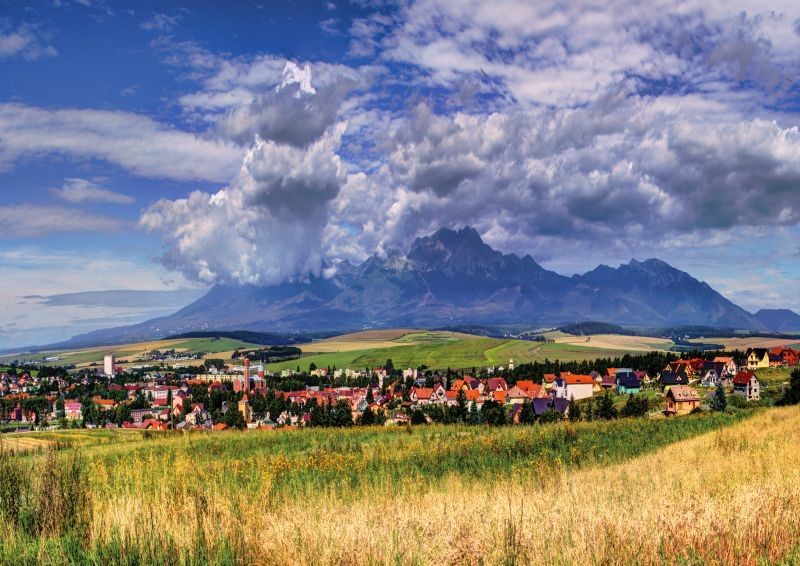
More than seven centuries of the town's existence have been reflected in its architecture, which includes building styles ranging from Romanesque to Gothic, Renaissance, Baroque and Classical. A special feature is the urban design of the square in a forked shape with the town hall placed in the centre and ending with the town castle.
Kežmarok offers many cultural monuments, attractions and various opportunities for relaxation, entertainment and sports.
Kežmarok Castle
At Kežmarok Castle you have the opportunity to see an exposition dedicated to the Thököly family, a rich exhibition of weapons or an observation tower, which offers a magnificent view of the city and the High Tatras. You can also look into the hunger chamber, which reminds the fate of the rich castle mistress Beata Laská, who was once imprisoned there by her husband. And if you keep your ears open, you will be able to hear the footsteps of the knocker on the castle's wooden crutches, who is still wandering around in the castle looking for treasure.*
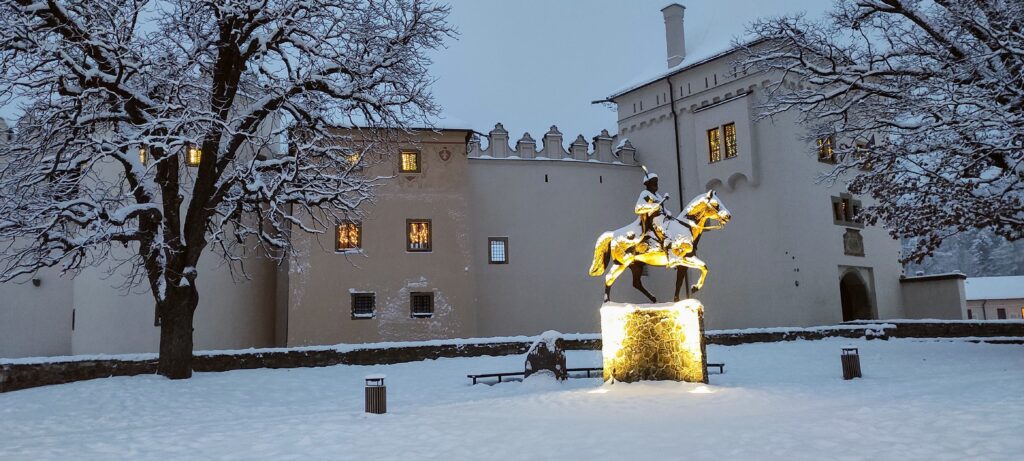
*Legend has it that the Black Lady, who worked at the castle as a crank, tried to steal the castle's riches. When the then owner of the castle, Imrich Thököly, returned home from a fight and did not find the treasure, he cursed the knocker and she has been searching for the treasure at Kežmarok Castle to this day.
Evanjelické lýceum a lyceálna knižnica, Kežmarok
The first reports about the existence of the Kežmarok town school are from 1383 - 1392. However, it is assumed that the first type of this school - parish school - existed already a century earlier. Pupils from all over Central Europe taught and studied at the Evangelical Lyceum - many of them became important Slovak, German, Hungarian or Serbian artists, scientists and politicians.
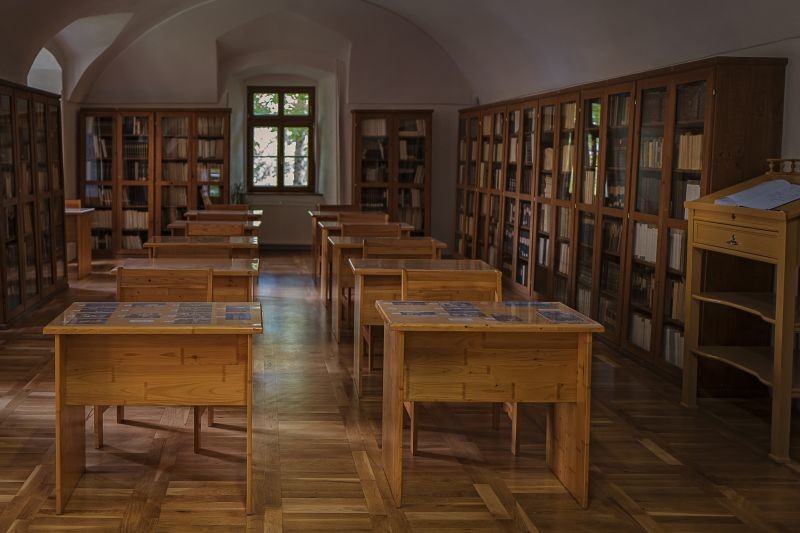
Would you like to know where Samo Chalupka, Janko Kráľ, Jonáš Záborský, Pavol-Országh Hviezdoslav, Martin Kukučín, Janko Jesenský and other famous personalities studied? Visit a cultural monument with a rich history and transport yourself to the past. In the building of the Lyceum there is also the largest school history library in Central Europewhich boasts up to 150 000 volumes.
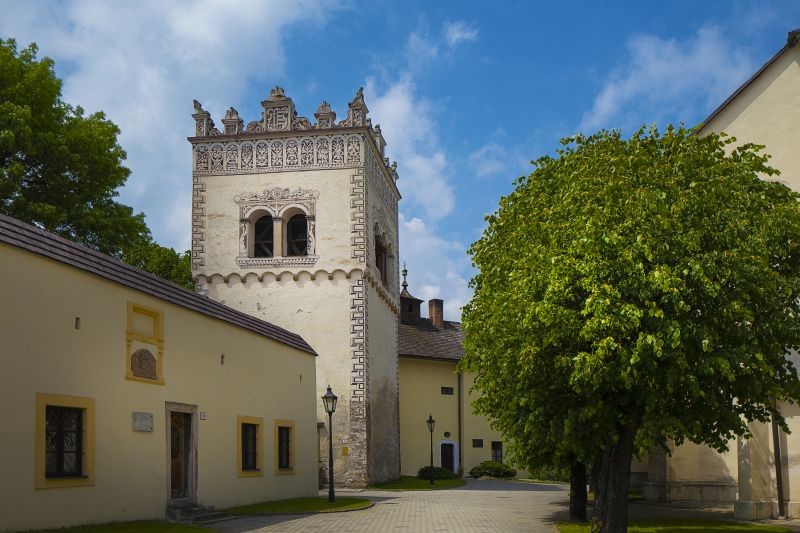
Renaissance bell tower
Next to the Basilica of the Holy Cross there is a bell tower, which is considered to be the most beautiful Renaissance bell tower in Slovakia. According to the historian Chrisán Genersich, construction began in 1525, but was not completed until 1591.
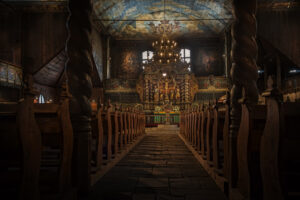
Drevený artikulárny kostol v Kežmarku (UNESCO)
The Articular Church is one of the eight Slovak wooden churches that were inscribed on the World Heritage List in 2008 UNESCO.
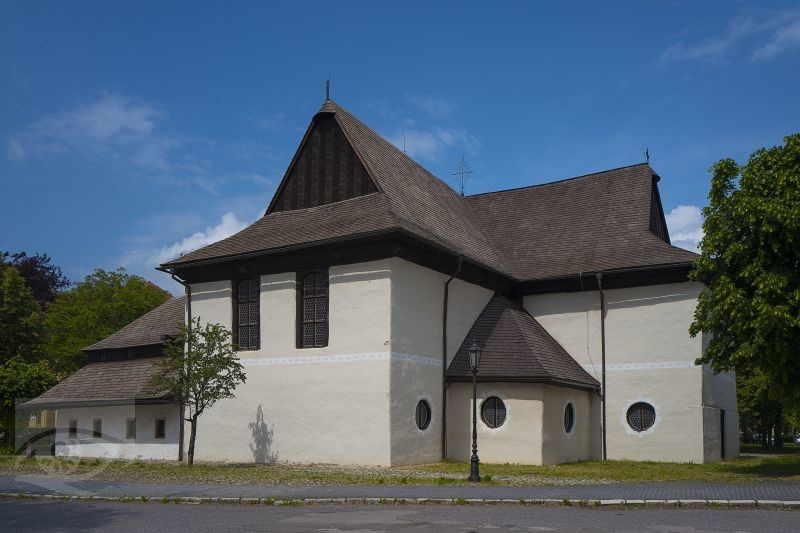
The church dates back to the time of religious freedom of Protestants, so it had to be built exclusively from the cheapest building material - wood. It is said that Swedish sailors helped in the construction, as the top of the interior resembles the inverted bow of a ship and the windows are round like on ships.
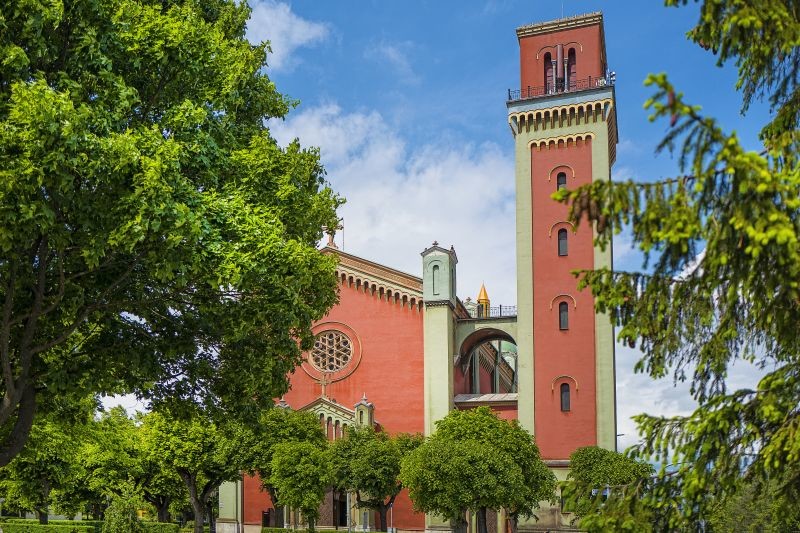
New Evangelical Church
As the articular church no longer fulfilled the elements of safety, the inhabitants of Kežmarok decided to build a new church in the 19th century, which was to be exceptional combination of different styles. The original project for the church was intended for the Orient, because of which acts as a synagogue or mosque.
Interestingly, the whole building has been extended by about 10 m and one window compared to the original plan for unknown reasons.
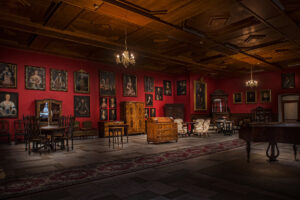
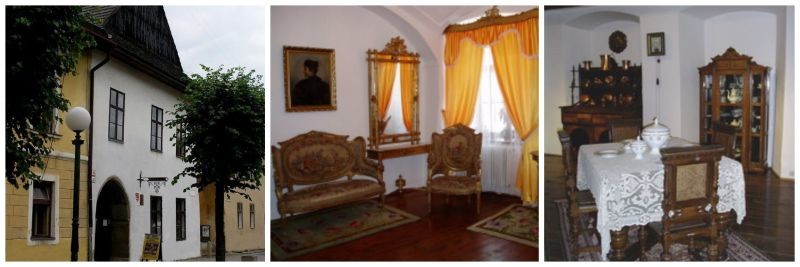
Museum of Burgher Housing Culture, Kežmarok
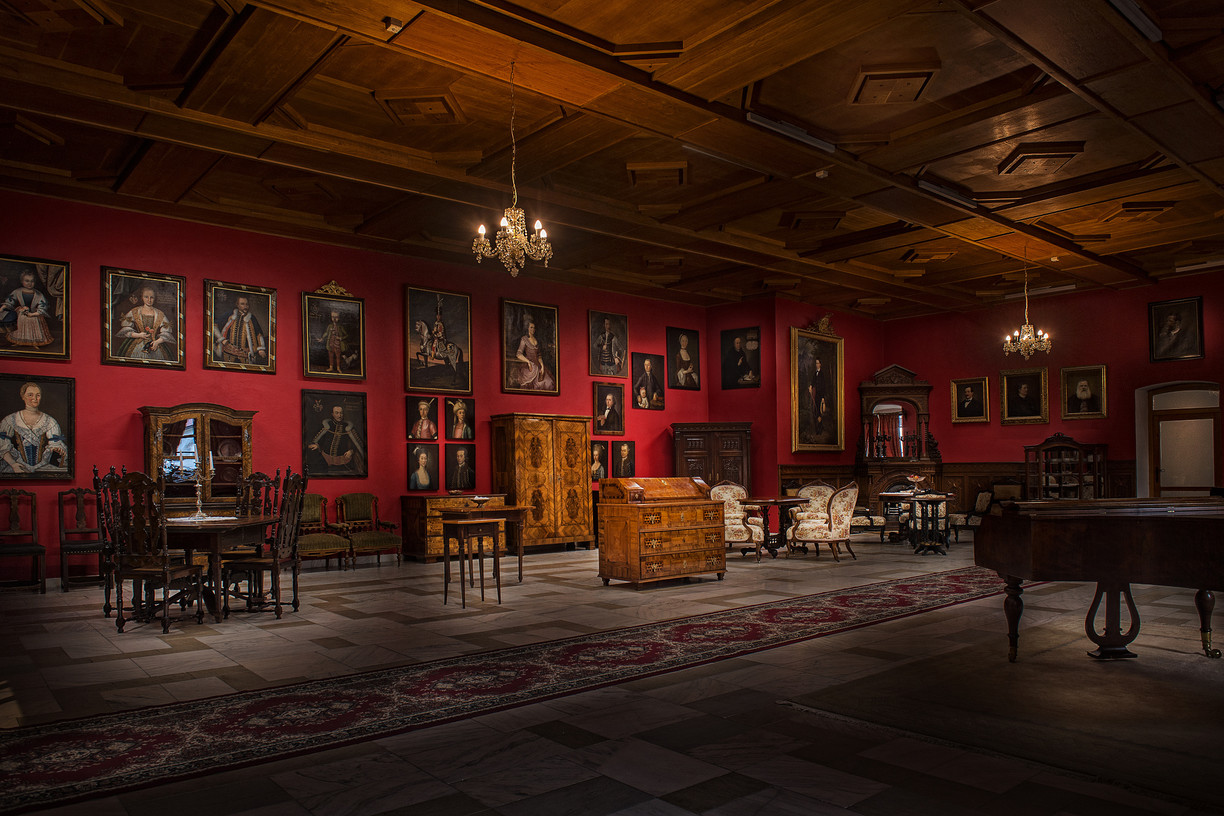
This unique exposition in Slovakia presents arts and crafts exhibits from the 17th century, but its basis consists of components of 19th century bourgeois interior. The intention of the installation was to evoke period interiors and thus create a representative cross-section in all areas of living (kitchen and dining areas, drawing rooms, bedrooms). The gro exhibits on display (and the most valuable) consist of objects from the estate of the "last countess of Kežmarok" (1895 - 1973).
Sundial
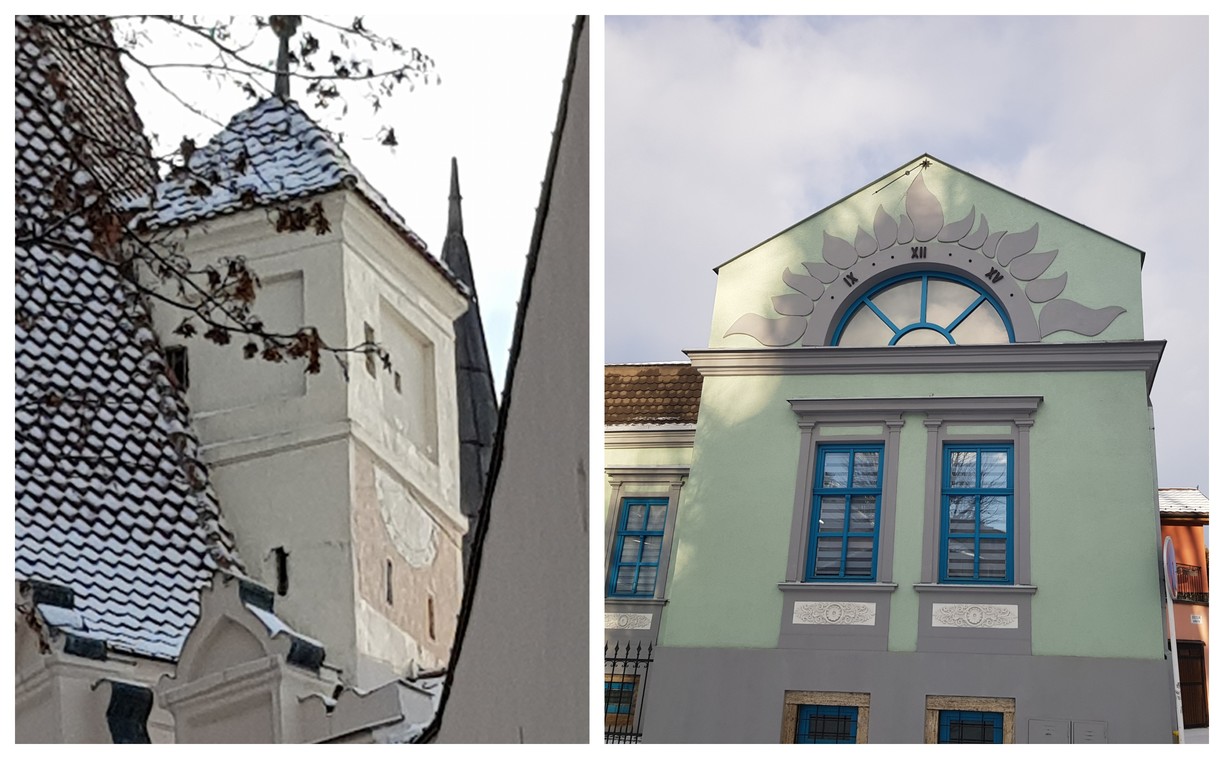
The first sundial is located on the tower of Kežmarok Castle. It was reconstructed in 2010. The vertical clock is in the shape of a semicircle with Arabic numerals, but due to poor availability we cannot specify the clock further. The second sundial can be found on Dr. Alexander Street, where the Registry Office is currently located. The vertical clock is complete. They have a pointer and dial from eight o'clock in the morning to four o'clock in the afternoon. The dial is in the form of a semicircle with Roman numerals IX, XII, XV, between which are dots representing the corresponding hour. This sundial gives the impression of the sun and the sun's rays. They are nicely visible, large with an interesting shape.
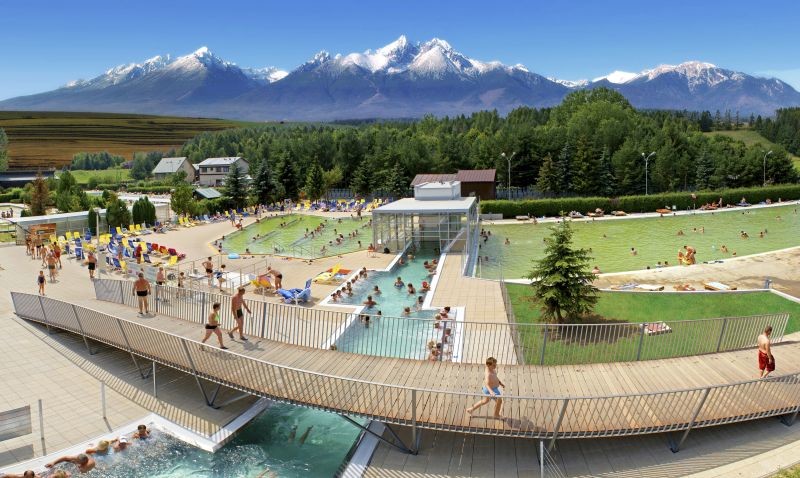
Thermal swimming pool Vrbov
Len 6 km od Kežmarku sa nachádza Termálne kúpalisko Vrbov, kde na vás čaká 10 swimming pools, z ktorých sú 4 detské. Zaujímavosťou je, že navštíviť kúpalisko a zregenerovať svoje telo môžete počas celého roka, a to vďaka teplote geotermálnej vody s obsahom minerálnych látok important for the human body, which ranges from 26 °C to 38 °C.
Source of text and cover photo: OOCR Tatry Spiš Pieniny
year-round